

When I see beginning writers trying to wrangle two (or more) protagonists, first I frown. Soon after, I mostly cringe.
Yet, some of the greatest movies have two protagonists who go through a journey in tandem: Thelma & Louise, Butch & Sundance, Woody and Buzz. This however, doesn’t mean you should try it in your script. Just yet.
by Karel Segers
No law forbids you from having more than one main character, and audiences love parallel journeys! So what should keep you? Well, perhaps a lack of the required skill set to pull this off.
Here lies the catch: most beginning writers don’t realize how damn hard it is to design a credible character journey, let alone a multi-protagonist story.
What is hard about managing two leads?
If you make sure your two characters have equal screen time, shouldn’t that solve the problem? Alas, no. Their stories must be closely intertwined, both on the plot and the thematic level. Check it out: all successful dual protag movies achieve this.
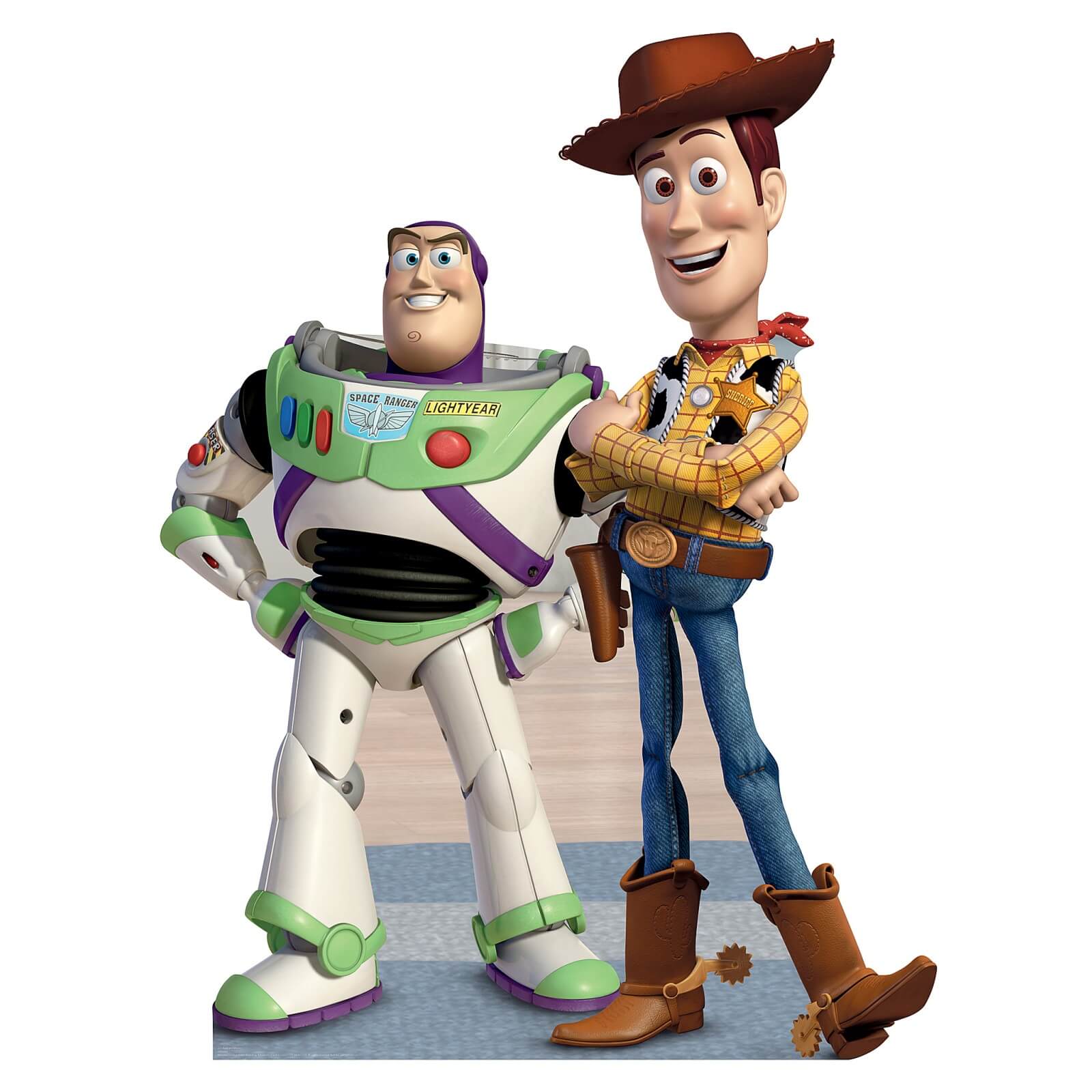
Buzz is the catalyst for Woody’s journey in Toy Story, because Woody is afraid that the Space Ranger may push him aside and Andy won’t play with him anymore. The new toy is too cool to be safe, so Woody tries to convince Buzz that he is not a Space Ranger. This is exactly Buzz’ journey: at the end, he accepts that he is a toy.
Louise preceded Thelma in a similar journey, which gives her the authority of the mentor. In other words: these characters are technically no dual protagonists. Louise is Thelma’s mentor.
If you can’t help yourself and you’re willing to risk diluting your story over two characters, then avoid the following mistakes:
1. Only one main character has a clear journey
When two characters have equal screen time but only one carries the drama, the other will soon feel like an annoying add-on to the story. However, it’s perfectly fine if one character is the ball and chain to the other. Think of ‘forced buddies’ as in Midnight Run and Rain Man where Charles Grodin and Dustin Hoffman play characters who seem to be slowing down the others on their mission.
Another valid exception is the duo where one character has an outer (and possibly inner) goal, and the other only an inner journey.
In Toy Story Woody wants to replace Buzz, while Buzz needs to learn that he is not a Space Ranger. In The Shawshank Redemption Andy wants to get out, while Red’s needs to find hope again.
2. Their goals and roles are similar.
If both characters want the same and they’re working together to achieve it, why don’t you just have one protagonist?
The most important way to distinguish characters from each other is by their objectives. Don’t Thelma and Louise both want the same thing, i.e. to go to Mexico? They do, but their Inner Journeys are different. Thelma is the one who has to learn and Louise is there to teach her. Louise’s role is primarily to guide Thelma and make sure she is safe and doesn’t do stupid things.
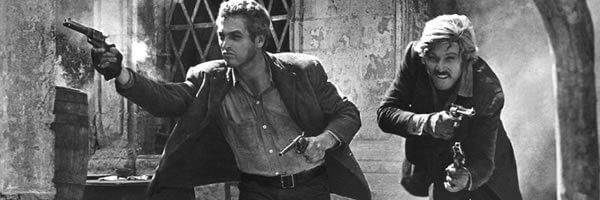
The different roles of the protagonists make the Hero Team work well in film. They work together and each have different skills, like the leads in e.g. Lethal Weapon, The Men Who Would Be King and Butch Cassidy and the Sundance Kid.
3. One of the heroes loses interest halfway.
I sometimes read dual protagonist scripts where the story starts off with a good match of characters but halfway the writer loses interest in one of the characters. We see one of them drop the ball, and no longer obsessively pursue the goal. In fact, from this point forward it is a single protag movie.
This can be the result of a variety of reasons: lack of conflict between the characters, disproportionally greater stakes in the (remaining) main character’s goal; or simply the fear that there may not be enough screen time to develop the second character.
4. One character starts the story, then the other takes over.
It is difficult to write two strong characters who keep their appeal throughout the story. Similar to the previous problem, sometimes the writer goes with whichever character is most convenient for the part of the story s/he’s writing.
This, too, may work in exceptional cases. Look at Michael Mann’s The Insider, in which Russell Crowe’s character starts, and Al Pacino’s character finishes the story.
I’m sure you know other examples of movies where it is done successfully by writers with experience.
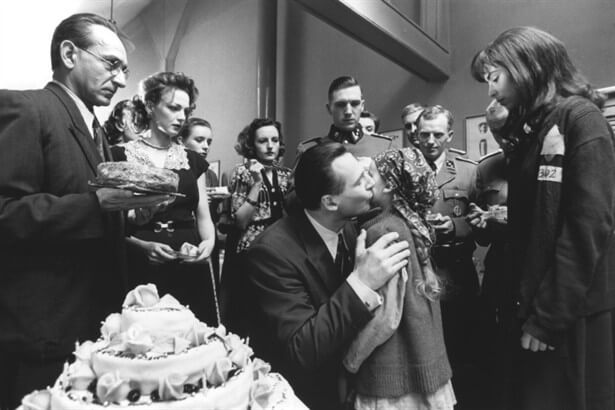
Schindler’s List starts off as the story of Itzhak Stern, but soon Schindler takes over and becomes the hero of the story. In One Flew Over The Cuckoo’s Nest, McMurphy has a full (downward) journey before the chief takes over at the end. Although the story could have been told as such, in neither film you can speak of a dual journey.
5. The two leads run in parallel, but they are disconnected.
It’s like a married couple who each have their own lives and only see each other in bed. In this case ‘in bed’ means ‘on screen’. If the main characters are not involved in each other’s story, you effectively have two movies, not one.
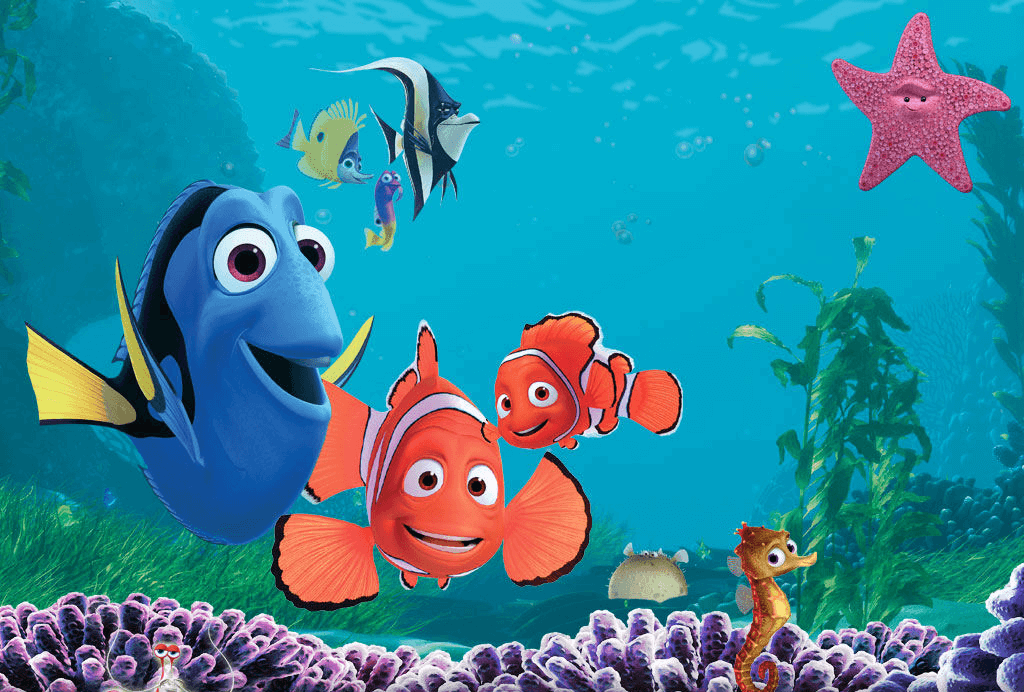
Although for most of the film Nemo and Marlin are not in the same scene, they are closely connected through plot (they want to reunite) and theme (they trigger each other’s needs). This is a terrific example of a dual protagonist story.
So what CAN I do?
As said before, there’s nothing you can NOT do. Once you have acquired some experience in mapping storylines and character journeys, nothing should stop you from writing dual or even multiple protagonists.
Just keep in mind that the two characters usually fulfill different functions, e.g. one is the Main Character and the other the POV Character like in The Shawshank Redemption. The latter is also an example of a movie where one character has the Outer Journey (Andy) while the other goes on an Inner Journey (Red). Another example is James Cameron’s The Abyss, a love story with dual redemption; one in the Outer Journey (Bud saves Lindsay) the other in the Inner (Lindsay accepts Bud as he is). Sometimes one protagonist has an up ending, the other down (Heat), or ironic/bittersweet (House of Sand and Fog).
Some of the best dual journeys have protagonists who are each other’s adversaries, e.g. Heat, House of Sand and Fog and many romantic comedies. Mostly one of the two will learn from the dramatic experience, sometimes both do. In the Pixar movies, there are almost always dual (and often multiple) journeys, both Inner and Outer.
Can you see that these dual protagonists are never completely equal? See also my related thoughts on different types of main character in Touch Of Evil.
Voilà, now you know all there is to know. Feel free to throw another hero in the mix!
-Karel Segers
Photo Credit: Windell Oskay via Compfight